
TL;DR: The political party exemption in the Privacy Act leaves the door open for political parties, their contractors, subcontractors, and volunteers to access your personal information without following the same rules as everyone else. That needs to change.

Photo by Julia M Cameron on Pexels
A simple ban of young people from social media will harm them. Young people, especially those in a minority group or remote areas of Australia, depend on the internet and social media to reach “their people”. When we limit their ability to do so, there is no replacement. They will simply be cut-off from key parts of society. Instead of an outright ban, we should focus our efforts on better regulation of social media algorithms and the targeting of content to drive advertising revenue, which would make children safer without restricting their ability to participate in society.

Photo by ThisIsEngineering from Pexels
Digital Rights Watch (DRW) welcomes the opportunity to submit comments to the Productivity Commission in response to the interim report regarding the “Harnessing Data and Digital Technology” inquiry. DRW is excited for the possibilities digital technology brings to our lives. The Internet has done wonderful things for humanity and we can’t wait for the next wave of life-improving technology
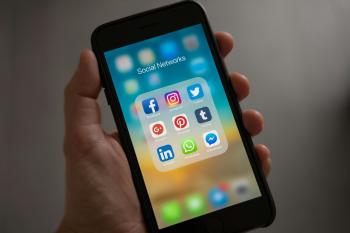
Photo by Tracy Le Blanc from Pexels
Climate change disinformation is pervasive, coordinated and highly damaging to democratic debate and urgent climate action. Disinformation creates confusion and splinters support for climate change action creating infighting and preventing meaningful support. Due to their business models, based around “engagement” and advertising, big tech companies are directly contributing to the proliferation of disinformation on their sites. This is enabling the erosion of citizens’ trust in legitimate climate science. Key vectors include astroturfing organisations, fossil-fuel-industry think-tanks, and privacy-invading social media algorithms, amplified by bots and generative AI.

AI companies are strip-mining Australian books, songs, and artworks to build their models without consent, without compensation, and without accountability.
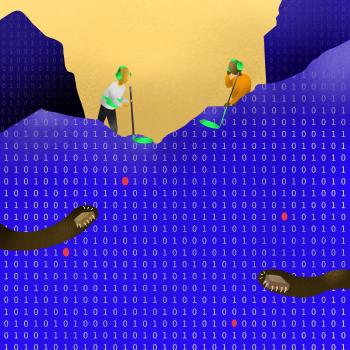
Image credit: Khan Tran
On a global scale, there are an average of 285 breached accounts per 100 people. In Australia, that number skyrockets to 732 breaches per 100 people, meaning the average Australian has been affected by data breaches approximately seven times. Alarmingly, 30% of Australians believed their data was stolen in 2022 alone.