
On 17 June 2025, Digital Rights Watch wrote to several politicians to congratulate them on their appointment and request clarity on their position regarding the promised privacy reforms. Specifically, we asked:

Digital Rights Watch welcomes the opportunity to provide feedback on the OAIC’s Phase 2 Consultation on the Children’s Online Privacy Code. We are aligned with the OAIC’s objective of protecting children through strengthened privacy protections, rather than preventing children from engaging in the digital world. The Internet is a vital component of modern civil life and it is vital for the health of our democracy and of us as individuals that children are able to participate in the online world.
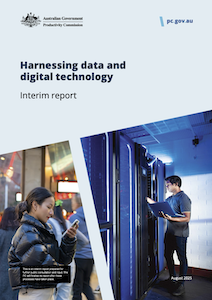
Digital Rights Watch is disappointed but unsurprised that the Productivity Commission has swallowed the AI marketing hype. Their recent interim report advocates for a pause on regulation and discusses approaches that would roll-back the few existing protections that we have. This is at odds with most Australians who want the government to act to protect them from harm by unaccountable and unfair AI systems.
Digital Rights Watch remains firmly opposed to the Albanese government’s proposed social media ban. Not only will this ban fail to keep children safe, it will also exact a terrible price for not doing so.

Today marks an important milestone, but there is still work to be done! Way back in December 2024, the government passed the Privacy and Other Legislation Amendment Bill 2024. The law comes into force today, 10 June 2025 and makes the following welcomed changes to our current privacy laws:

To better understand the relationship between privacy and safety in addressing online harms, Digital Rights Watch has commissioned a research report featuring polling conducted by Essential Media. It covers some topical technologies like facial recognition and age assurance tech, client-side scanning in CSAEM detection, and methods of improving safety without impacting privacy.